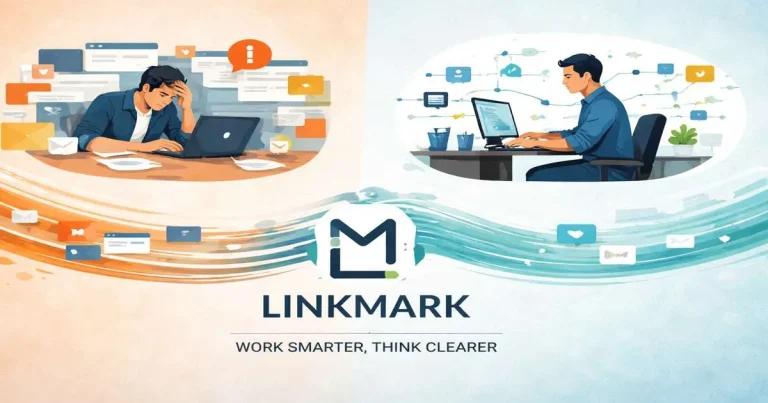


Every day, valuable information passes in front of us. An insightful article, a useful tool, a tutorial worth revisiting, or an idea that sparks future work. Almost without thinking, we save the link. The action feels quick and efficient, almost automatic. Yet over time, something subtle happens. The more links we save, the less useful they quietly become.
What was meant to support learning and productivity slowly turns into a crowded collection of forgotten references. The issue is not the lack of saved content, but the absence of a system that turns links into usable knowledge.
The problem with scattered link saving
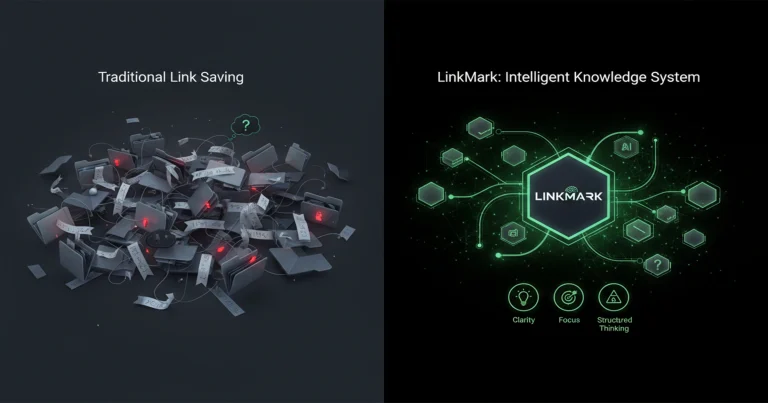
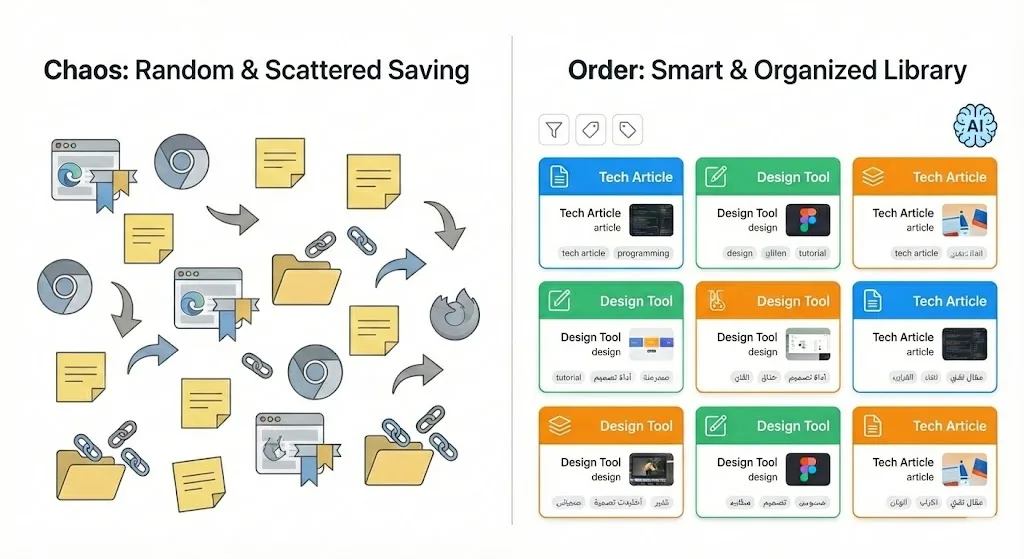
Traditional link-saving habits rely on fragmentation. Browser bookmarks, folders, notes apps, and messaging platforms all become temporary storage spaces. Each tool works in isolation, offering no unified view of what you know or why it matters.
As time passes, links lose their context. A saved URL no longer explains why it was important or how it connects to current work. Retrieving information becomes a guessing game, often leading people to search again rather than reuse what they already saved.
Why links need more than storage
A link on its own is just a reference. Knowledge, however, requires structure, meaning, and connection. Without these elements, saved links remain passive. They exist, but they do not actively support thinking or decision-making.
This is where most traditional bookmarking tools fall short. They focus on collecting links, not on helping users understand, revisit, or build upon them over time.
Introducing the concept of a smart link library
A smart link library is not defined by how many links it holds, but by how clearly those links can be understood and reused. Instead of treating links as isolated items, a smart library organizes them as pieces of knowledge.
This approach allows users to see patterns, revisit ideas naturally, and connect related resources without relying on memory or endless searching.
How LinkMark transforms links into knowledge cards
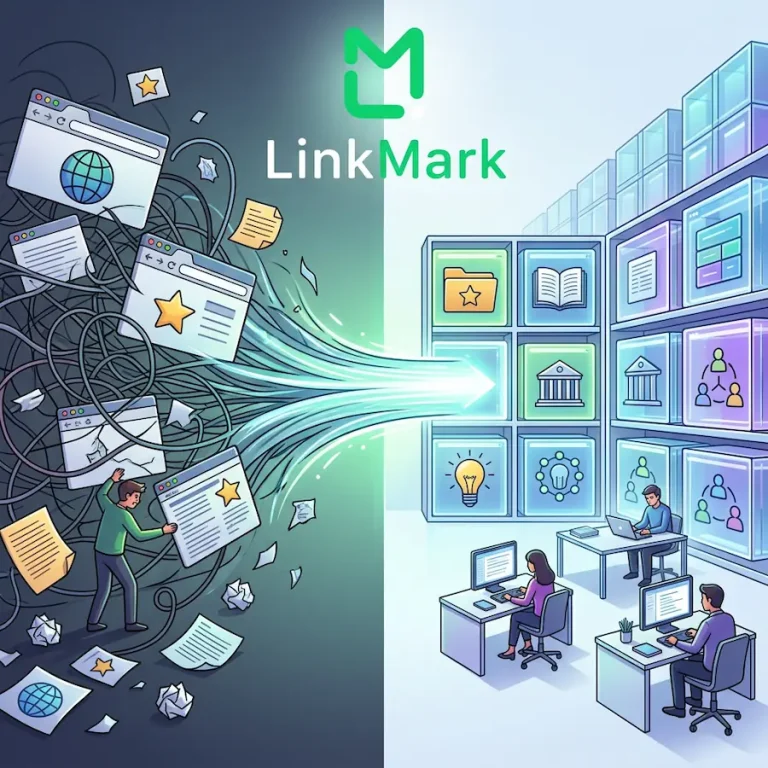
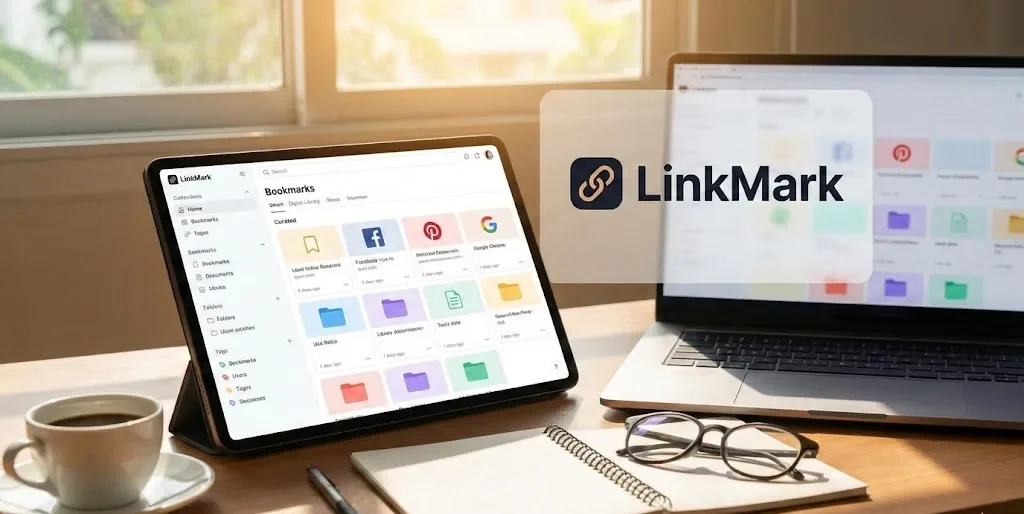
LinkMark is built around this exact concept. Rather than saving links as raw URLs, it transforms each one into a structured knowledge card. These cards provide clarity at a glance, capturing not only the link itself but also its meaning and purpose.
Each card can include a clear title, a concise description, and intelligent categorization. This ensures that when users return to their library, they immediately understand why a link was saved and how it can be used.
Read more: Why Traditional Bookmarking Fails in Real Life?
AI-driven organization at the core
What makes LinkMark truly different is its use of artificial intelligence. The platform analyzes saved content to suggest relevant categories and structure automatically. This reduces manual effort and removes the friction that often prevents people from organizing their links properly.
Instead of spending time deciding where a link belongs, users can focus on their work while the system supports organization in the background. At the same time, full control remains in the hands of the user, allowing refinement and customization whenever needed.
A library designed for browsing, not burying
Most link collections fail because they are designed for storage, not exploration. Long lists and deep folder structures discourage regular review. Over time, users stop engaging with what they saved.
LinkMark approaches the library as an interface for thinking. Knowledge cards are visually accessible and easy to browse. This design encourages frequent interaction, making it natural to revisit, reflect, and build upon saved resources.
From accidental saving to intentional knowledge building
As organization becomes effortless, behavior begins to change. Users no longer save links out of fear of forgetting. Instead, they save with intention, knowing that each link will remain clear and accessible.
This shift turns link saving into a conscious strategy rather than a reflex. Over time, the library evolves into a personal knowledge base that grows alongside the user’s work and learning.
One library for all contexts
Whether used for research, professional projects, content creation, or personal learning, LinkMark adapts to different workflows. The same library can support multiple contexts without becoming fragmented.
As interests and priorities change, the structure evolves naturally. There is no need to reorganize from scratch or migrate links between tools. The system grows with the user instead of resisting change.
Conclusion
LinkMark redefines what it means to save links by focusing on clarity, not accumulation. By turning ordinary URLs into structured knowledge cards within a single smart library, it closes the gap between saving and understanding.
When links are organized, meaningful, and easy to browse, they stop being forgotten references and start becoming active tools for thinking. This is what makes LinkMark more than a bookmarking platform. It is a smarter way to build, explore, and use your digital knowledge.