

A typical workday used to start with good intentions and end with quiet frustration. Not because tasks were difficult, but because information was never where I expected it to be. Somewhere during the day, I would need a reference I knew I had saved before. And that was where momentum usually broke.
The work itself was clear. The problem was getting back to the information that supported it.
A Day Before: When Work Was Interrupted by Searching
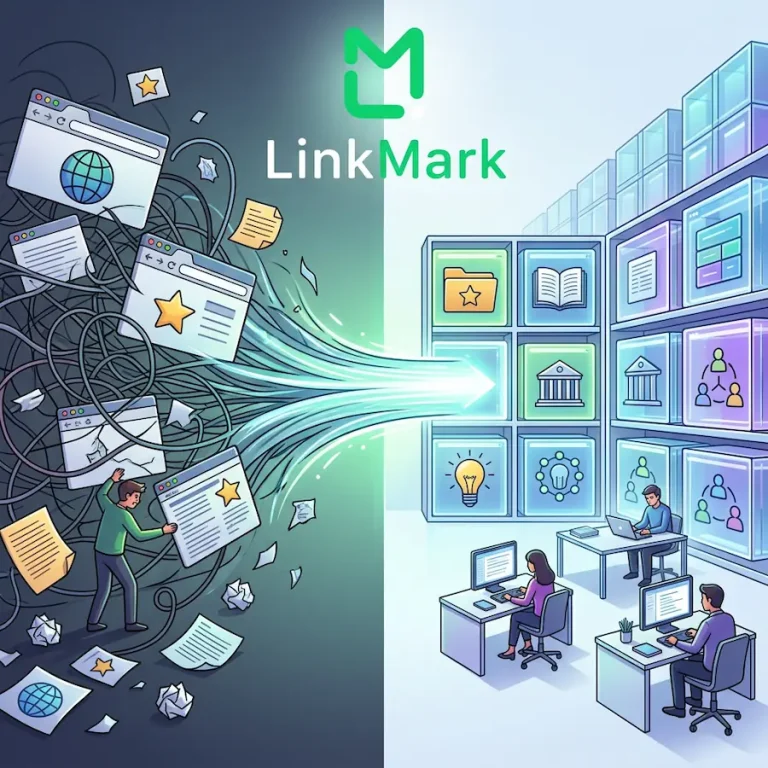
Before using a dedicated system, my day was shaped by constant interruptions. I would open my browser, scroll through bookmarks, search old tabs, then jump into notes or messages hoping the link was there.
Each interruption felt small, but they added up. Five minutes here, ten minutes there. More importantly, every search broke my focus. By the time I found what I needed, I had already lost the mental context of the task.
If this feels familiar, the video below shows the moment when saved information stops helping. Click here to watch.
Saved Links Without Direction
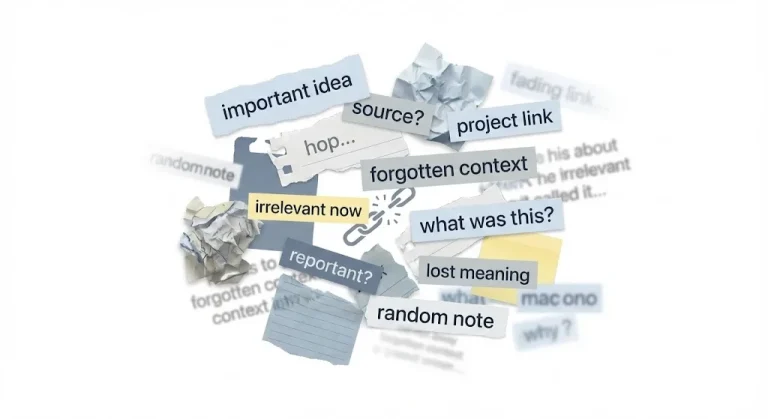
Most of my links were saved quickly, without explanation. At the time, I knew why they mattered. Later, that meaning was gone.
Titles were vague. Folders were overloaded. Some links felt familiar, but not useful. Others were skipped entirely because revisiting them felt like extra work.
The Mental Weight of Digital Clutter
Over time, the clutter became more than a technical issue. It affected confidence. I stopped trusting my own system.
Instead of relying on saved information, I started re-searching topics from scratch. It felt easier than digging through a messy archive. The result was repetition, wasted effort, and slower progress.
Decision-Making Became Slower
Without easy access to past research, decisions took longer. I hesitated more. I double-checked things I had already checked before.
This wasn’t because the work was complex, but because the supporting information was scattered and disconnected.

The Turning Point: Realizing the System Was the Problem
At some point, it became clear that the issue wasn’t discipline or memory. It was the tools.
Saving links in multiple places created fragmentation. No single tool showed the full picture. Each platform held part of my thinking, but none of them connected it.
After the Shift: Working With Links, Not Around Them
Things started to change when links were treated as part of the workflow, not leftovers from it.
Instead of asking where a link was saved, the focus shifted to why it was saved and how it related to current work.
Read more: https://linkmark.com/

How LinkMark Changed the Daily Flow
LinkMark introduced a different approach. Links were no longer isolated items. They became connected to ideas, projects, and notes.
Saving a link now included a short explanation. That small step preserved context and made future retrieval intuitive.
Faster Access, Clearer Thinking
With everything organized around meaning rather than location, finding information became faster. More importantly, it became predictable.
Instead of searching blindly, I navigated through familiar structures that reflected how I thought about my work.
Better Decisions With Less Effort
Because information was easier to access, decisions became easier as well. I could quickly review past references, compare ideas, and move forward with confidence.
The mental load dropped. The work felt lighter, even though the volume stayed the same.
From Passive Saving to Active Knowledge Building
One of the biggest changes was behavioral. I stopped saving links out of fear of forgetting.
Instead, I saved selectively, knowing that anything I kept would remain usable. Over time, this built a personal knowledge base that actually supported daily work.
Why This Difference Matters Long-Term
The impact of a better system is not just short-term efficiency. It compounds.
Each saved link strengthens the structure instead of adding noise. Each project builds on the last instead of starting over.
Conclusion
The difference between before and after was not effort or intelligence. It was alignment.
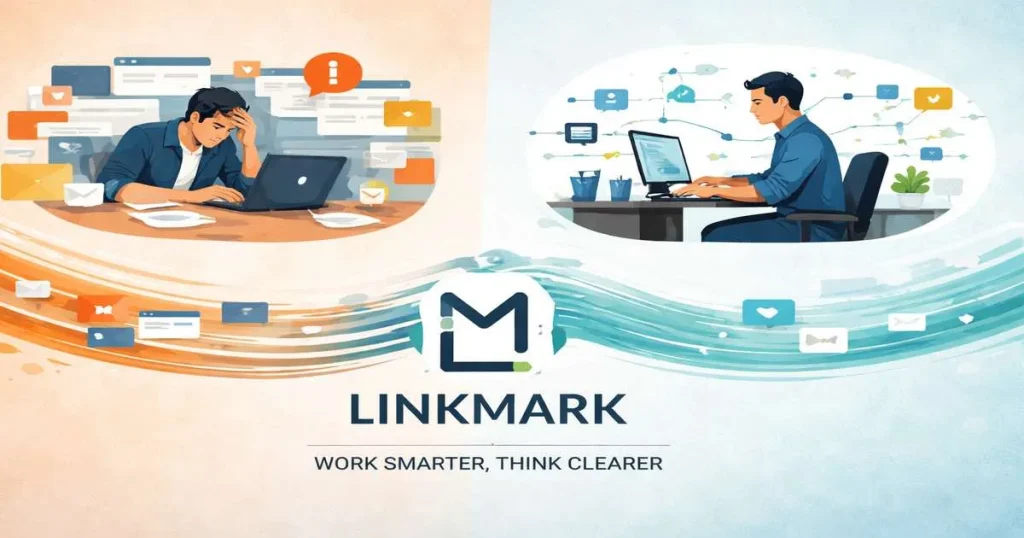
By using a system designed to match how thinking actually works, LinkMark transformed daily work from a series of interruptions into a continuous flow. Not by doing more, but by making information finally work with you, not against you.
This alignment appeared in everyday moments. Projects started with clarity instead of searching. Returning to old ideas no longer required rebuilding context from scratch. Information was already connected in a way that mirrored the original thinking behind it.
Work stopped feeling scattered across tabs, tools, and folders. Instead, each task flowed naturally into the next. Links supported decisions rather than interrupting them. Time once lost to remembering where things were saved was redirected toward deeper focus and analysis.
Gradually, confidence in the system grew. Saving a link no longer felt like postponing confusion for later. It felt like placing knowledge exactly where it belonged. When something was needed, it surfaced with meaning, not just a title or URL.