

In today’s digital work environment, saving information has become almost automatic. Articles, videos, reports, ideas, and references are constantly collected with the intention of returning to them later. At first, this behavior feels productive. Saving can create a false sense of control, making you believe you’ve secured knowledge for later. Yet over time, this habit often leads to the opposite result.
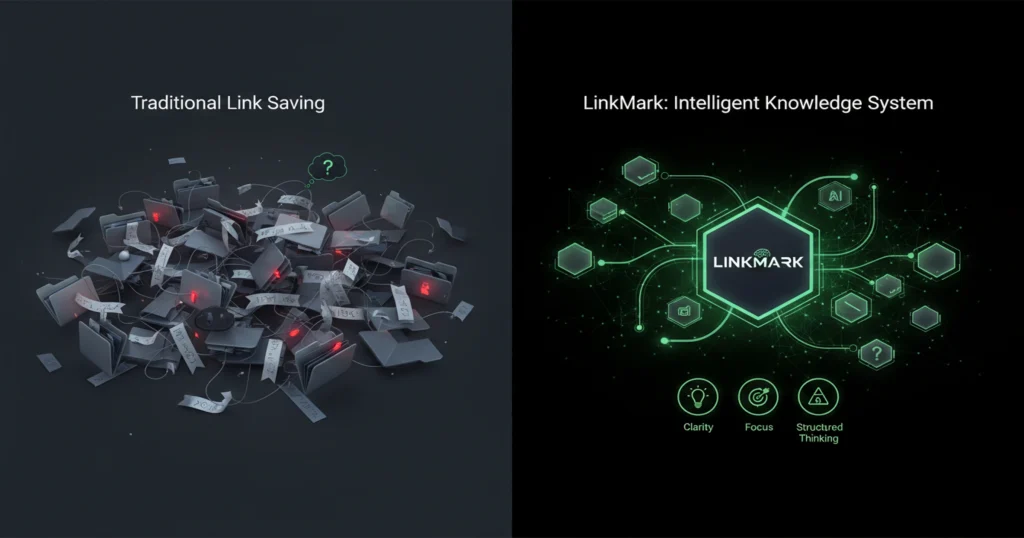
The more links we save, the harder it becomes to actually use them. Bookmarks grow into long lists, folders multiply, and important resources slowly disappear into digital clutter. The issue is not the volume of information itself, but the type of tools we rely on. Most traditional tools are designed for storage, not for thinking over time.
The hidden problem with saving-focused tools
Most saving tools assume that access equals value. As long as a link can be retrieved, it is considered useful. In reality, work does not depend on retrieval alone. It depends on understanding, context, and the ability to connect ideas across time.
When a tool focuses only on saving, it treats information as isolated units. Without context, each link stays isolated, instead of connecting to your broader knowledge. When users return days or weeks later, they remember that something felt important—but not why.
This gap quietly creates friction. Instead of supporting focus, saving tools interrupt it. Searching through old bookmarks becomes a distraction, pulling attention away from the task at hand and back into the past.
Why modern work requires thinking tools
Modern knowledge work is not about collecting information. It is about synthesizing it. Decisions, strategies, and creative output depend on how well information is processed, not how much of it is stored.
Thinking tools are designed with this reality in mind. They help users reflect, organize, and connect information in ways that align with natural cognitive processes. Rather than asking users to remember where something is saved, these tools make information resurface through meaning and relevance.
This shift reduces mental load. When you organize information clearly, you free your brain from acting like a fragile filing system. Instead, it can focus on analysis and insight.
To explore how modern work shifts from saving tools to thinking tools that support synthesis, read more
From fragmented links to connected knowledge
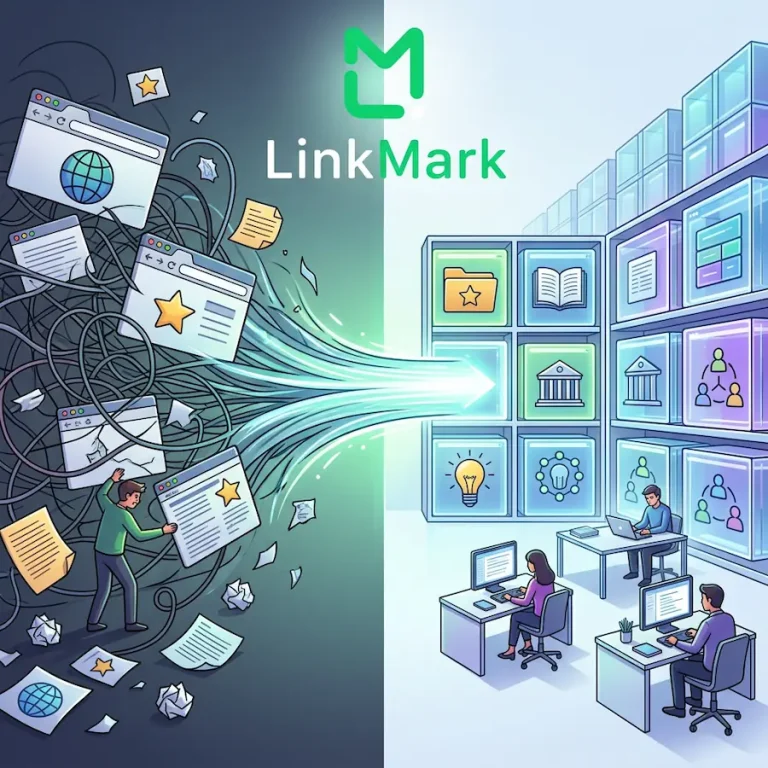
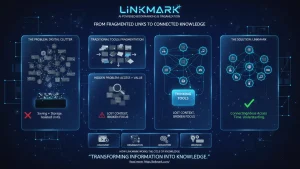
One of the most common frustrations with traditional bookmarking systems is fragmentation. Useful resources saved over time rarely speak to each other. Even when links relate to the same topic, they remain separated by folders or timelines.
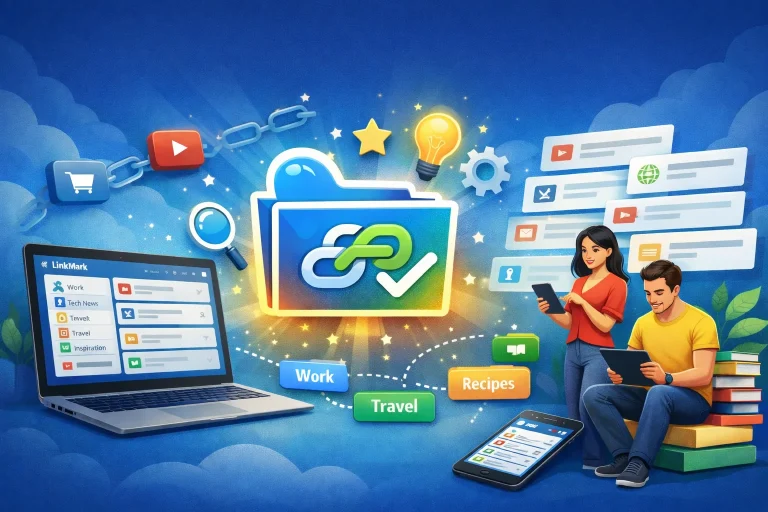
LinkMark addresses this challenge by treating links as part of a living knowledge system. Instead of acting as static bookmarks, links are organized around ideas, themes, and workflows. This allows information to grow organically as understanding evolves.
As a result, returning to saved content feels different. Rather than starting from scratch, users continue from where their thinking last stopped. Information becomes cumulative instead of repetitive.
How LinkMark supports real thinking workflows
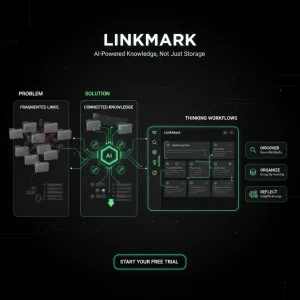
Thinking is not a single step. It is a cycle that includes discovery, organization, reflection, and application. Most saving tools stop at discovery. LinkMark supports the entire process.
As you discover content, you save links without losing focus. Later, you organize them by meaning—not just by routine. Over time, patterns emerge, making it easier to identify what truly matters.
This structure transforms daily work. Instead of jumping between unrelated resources, users move through connected ideas. Work becomes smoother, and decision-making becomes more confident.
Reflection instead of constant retrieval
One of the most powerful shifts enabled by thinking tools is the move from retrieval to reflection. When you structure information around meaning, you search less and think more.
LinkMark reduces the cognitive effort required to manage information. By aligning with how the mind naturally connects ideas, it allows insights to surface without force. This creates space for deeper understanding and long-term learning.
Over time, this approach builds trust in the system. Users know that valuable ideas will not be lost or buried. Instead, they remain accessible in the right context, exactly when needed.
Conclusion: choosing tools that work with your mind
The challenge of the digital age is not lack of information, but lack of clarity. Saving tools preserve content, but thinking tools transform it into knowledge.
LinkMark represents this shift from storage to understanding. By supporting connection, reflection, and context, it turns saved links into active components of a personal knowledge system.
If your digital space feels crowded yet unhelpful, the solution is not to save less. It is to think better. And that begins with choosing tools designed to work with your mind, not against it.