
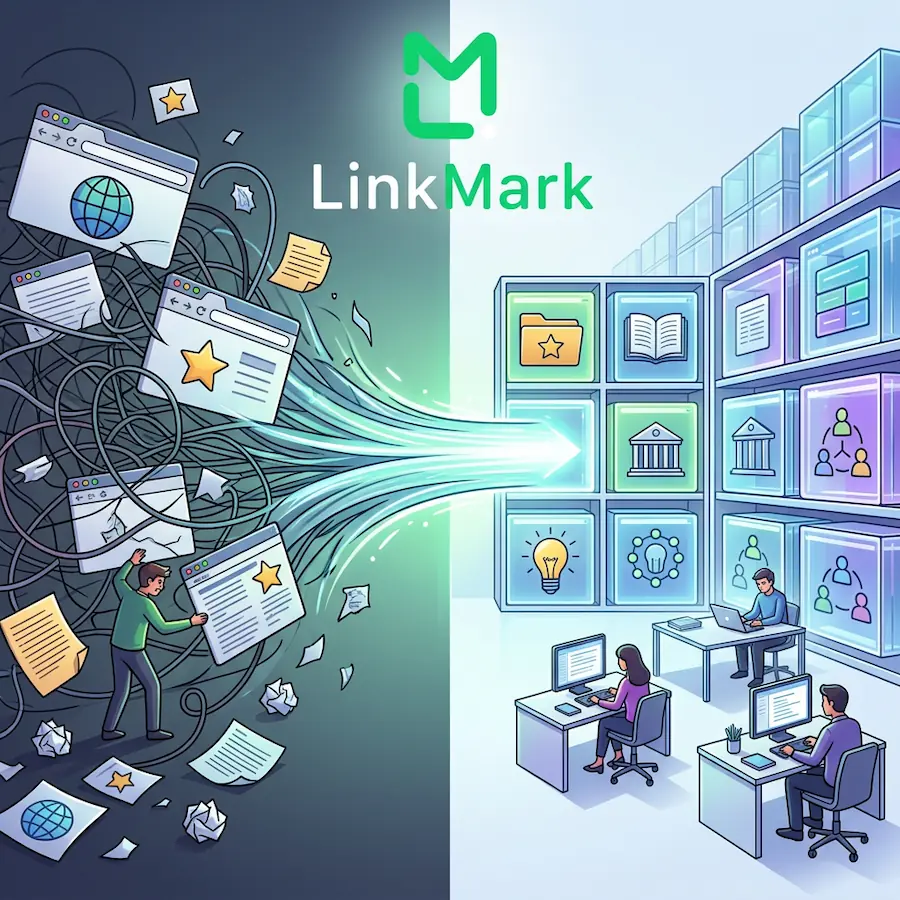

Organizing links is no longer just a personal habit; it has become a core element of an efficient digital workflow, especially when dealing with a growing volume of saved resources. With tools like Linkmark, scattered links across multiple platforms can be transformed into a centralized, structured system that supports clarity, speed, and consistency. This shift does not only affect how links are stored, but also how tasks are executed, how decisions are made, and how information is reused over time.
Centralizing Links Reduces Fragmentation
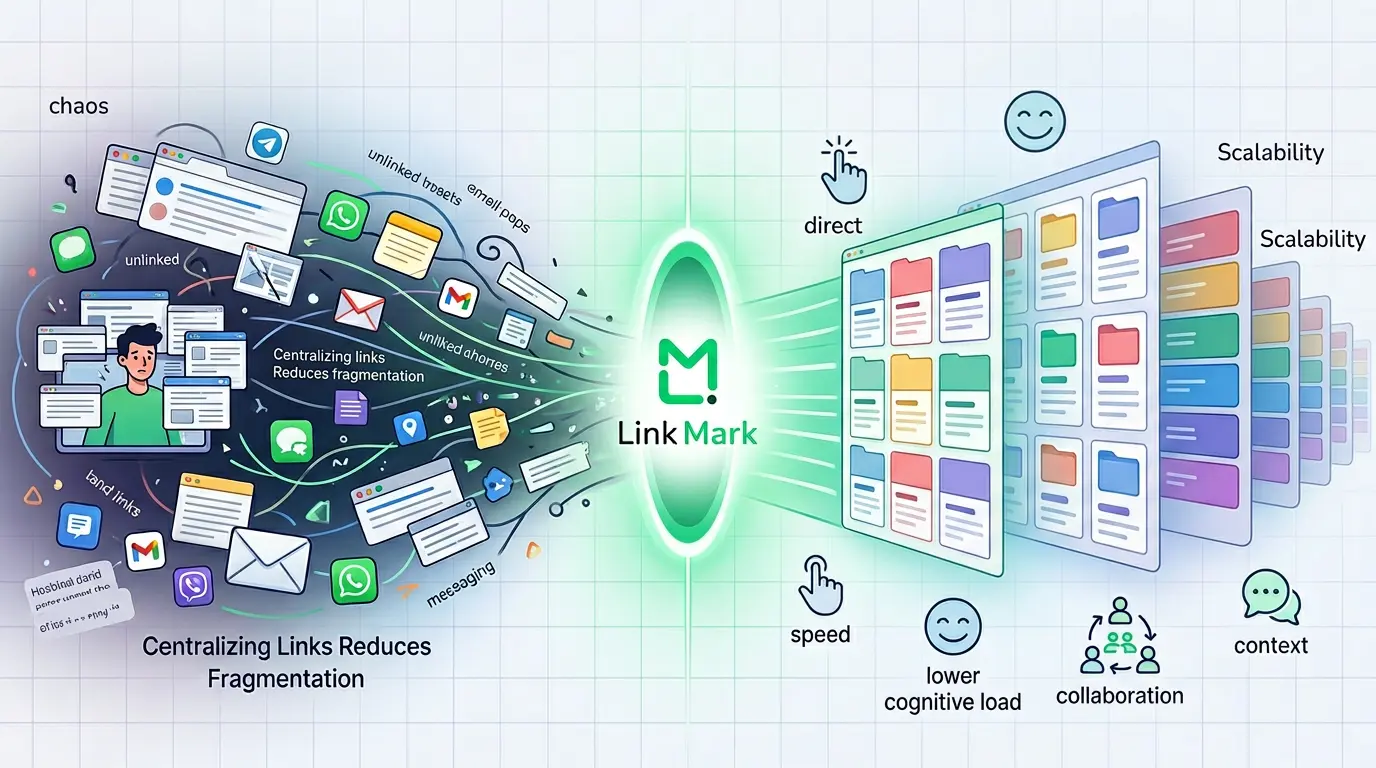
One of the most common issues in any workflow is fragmentation, where links are saved in different places such as browsers, notes, or messaging apps. Over time, this creates confusion and makes retrieval inconsistent. By using a unified system like Linkmark, all links are stored in one place, which eliminates the need to remember multiple storage locations. As a result, users gain immediate access to their resources without switching between tools or searching in different environments. This centralization naturally leads to a more stable and predictable workflow.
Building on this centralization, the workflow becomes easier to manage because every saved link follows the same structure. Instead of adapting to multiple storage habits, users rely on a single system that acts as the foundation for organizing all digital resources.
Faster Retrieval Improves Daily Efficiency
When links are organized properly, retrieving them becomes significantly faster. Rather than scrolling through long lists or searching across platforms, users can navigate directly to a relevant category or collection. Linkmark supports this structured retrieval by allowing links to be grouped in a meaningful way, reducing the time between needing information and accessing it.
This speed improvement directly impacts productivity, as less time is spent searching and more time is dedicated to completing tasks. In continuation, faster retrieval also reduces interruptions during work, allowing users to maintain focus for longer periods without breaking their workflow.
Lower Cognitive Load Supports Better Focus
Another important improvement comes from reducing cognitive load. Without an organized system, users rely on memory to track where each link was saved, which adds unnecessary mental pressure. With Linkmark, the responsibility shifts from memory to structure, allowing users to focus on thinking rather than remembering.
This reduction in mental effort creates a smoother workflow, as users no longer need to pause their work to recall where information is stored. Instead, they can trust the system to manage their resources, which leads naturally into more consistent and focused task execution.
Consistency Creates a Reliable Workflow
Consistency is a key factor in maintaining an efficient workflow. When every link is saved and categorized in the same way, the process becomes automatic over time. Users no longer need to decide how or where to store each new link, because the system already provides a clear structure.
Linkmark supports this consistency by encouraging a repeatable pattern of organizing links. As this habit develops, the workflow becomes more predictable, and the system remains clean and easy to navigate. This consistency also ensures that new links integrate seamlessly with existing ones, preventing clutter from building up.
Read more: How LinkMark Fits Into Any Workflow
Better Organization Enhances Collaboration
In team environments, organized links play an important role in improving communication and collaboration. When links are stored within a structured system like Linkmark, sharing resources becomes straightforward and efficient. Team members can access the same references without needing additional explanations or repeated follow-ups.
This shared structure reduces confusion and ensures that everyone is working with the same information. As collaboration improves, workflows become more aligned, which naturally leads to faster progress and fewer misunderstandings.
Context Makes Information More Meaningful
Organizing links is not only about storage but also about context. A link becomes more useful when it is grouped with related resources or placed within a specific category. This helps users understand why a link was saved and how it relates to a particular project or topic.
Within Linkmark, this contextual organization allows users to revisit old links and quickly reconnect with their original purpose. As a result, previously saved resources remain relevant and easy to reuse, which strengthens the continuity of the workflow over time.
Improved Decision-Making and Reduced Errors
When links are organized, decision-making becomes faster and more accurate. Access to relevant resources is immediate, which allows users to compare options and evaluate information without delay. Instead of searching for supporting material during the decision process, everything is already available in a structured format.
In addition to improving decisions, organization also reduces the likelihood of errors such as using outdated or duplicate links. With Linkmark, each link has a defined place, making it easier to maintain clarity and avoid confusion between similar resources. This level of organization ensures that workflows remain reliable and consistent.
Scalability Ensures Long-Term Efficiency
As the number of saved links grows, maintaining organization becomes increasingly important. Unstructured systems tend to break down over time, while structured systems are designed to scale. Linkmark supports this scalability by allowing users to expand their collections without losing clarity or control.
By using categories, groupings, or logical organization, users can continue adding new links without disrupting the existing structure. This ensures that the workflow remains efficient even as the volume of information increases, which is essential for long-term productivity.
Conclusion
Organizing links is a foundational practice that directly improves workflow efficiency in multiple ways. By centralizing information, reducing retrieval time, lowering cognitive load, and maintaining consistency, tools like Linkmark help create a structured environment where information is easy to manage and reuse. As collaboration improves, context becomes clearer, decisions become faster, and scalability is maintained, the overall workflow becomes more seamless and productive. In the end, an organized link system is not just about saving resources—it is about enabling a smarter and more efficient way of working.