
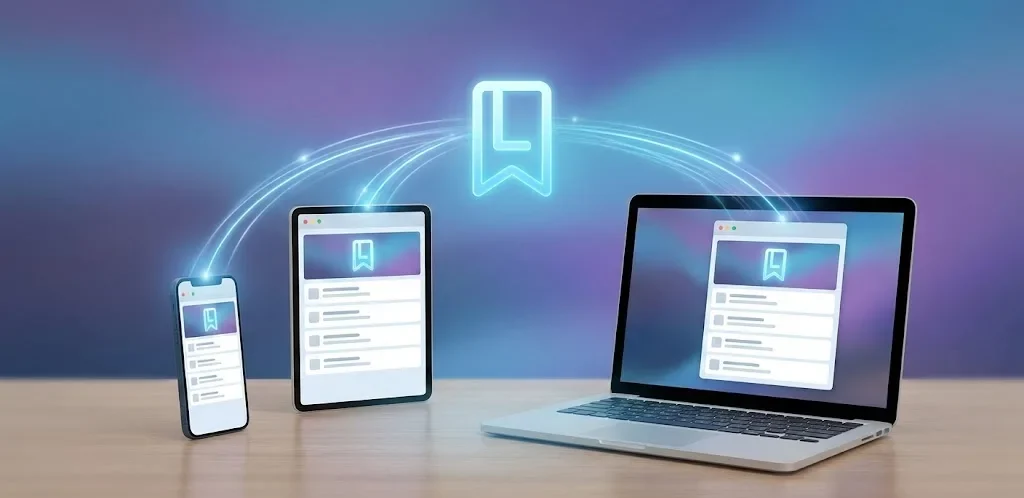

Work today does not live on a single screen. It moves constantly between devices. A link saved on a phone during a commute, an article opened on a laptop during work hours, a reference revisited on a tablet in the evening. This flexibility should support productivity, yet for many people, it creates a quiet but persistent problem.
Information becomes tied to devices instead of flowing with the user. What was saved feels fragmented. Context disappears between screens. Over time, this device-based fragmentation turns daily work into a continuous effort to remember, resave, and reassemble information.
The reality of working across multiple devices
Modern routines are rarely linear. Students study on laptops, review materials on phones, and prepare assignments across different environments. Professionals move between office computers, personal devices, and remote setups throughout the day.
Despite this reality, many tools still behave as if work happens in one place. Links saved on one device are difficult to locate on another. Notes feel incomplete. Users are forced to rebuild context every time they switch screens.
How device-based saving breaks continuity
When you store information based on where you saved it instead of what it means, continuity breaks. A bookmark on a browser is useful only on that browser. A note saved locally loses relevance when accessed elsewhere.
This creates duplication. The same link is saved multiple times. The same article is searched again. Instead of building on previous work, users repeat it. The cost is not only time, but mental energy.
Why synchronization alone does not solve the problem
Many platforms promise synchronization across devices. Technically, the data appears everywhere. Practically, the experience remains fragmented.
A synchronized list of bookmarks is still just a list. Without structure, context, and meaning, access does not translate into usability. Users may see the same links on every device, yet still struggle to understand why they saved them or how to use them.
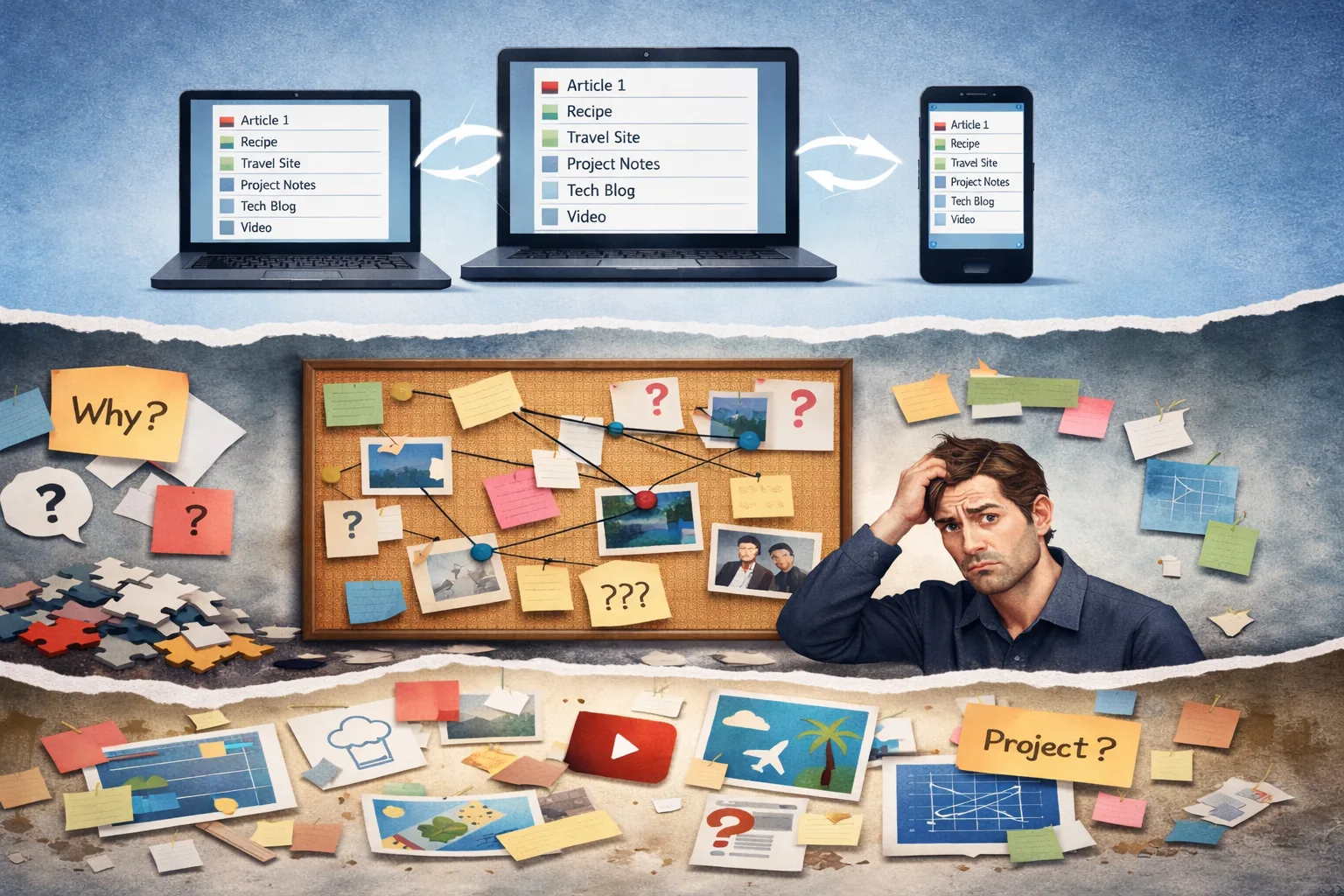
The difference between syncing data and syncing understanding
True continuity is not about copying information from one device to another. It is about preserving understanding.
Understanding depends on context. Why was this link saved? What idea does it support? How does it relate to ongoing work? When these questions are unanswered, access alone is not enough.
A system that supports understanding must remain consistent regardless of device. It must feel like the same mental space everywhere.
Thinking in systems instead of devices
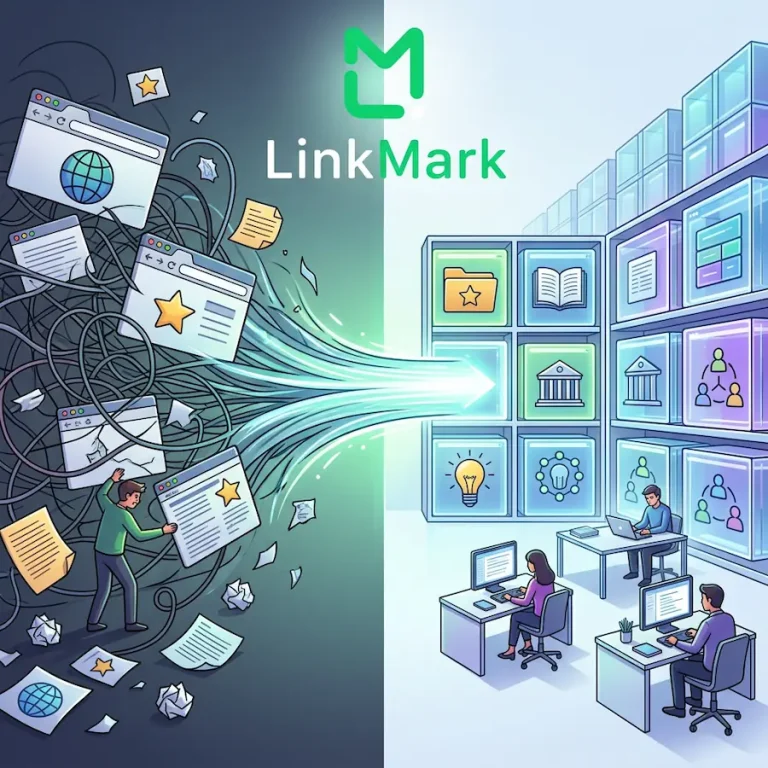
The shift happens when information stops belonging to devices and starts belonging to a system. A system is stable. Devices are interchangeable.
When users rely on a system, switching devices no longer means starting over. The same structure, logic, and context are preserved, allowing work to continue naturally.
Read more: Why Traditional Bookmarking Fails in Real Life?
How LinkMark creates one unified knowledge environment
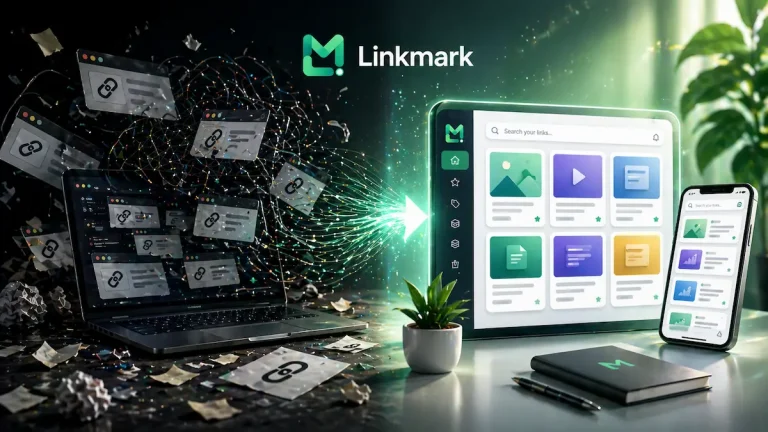
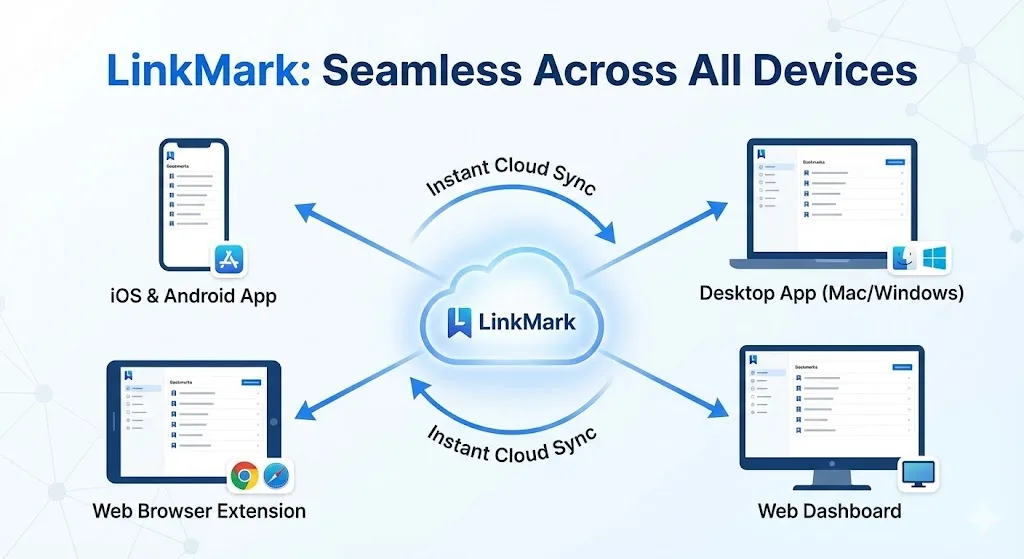
LinkMark is designed around this system-first approach. Rather than managing links per browser or device, users interact with one central knowledge library tied to a single account.
Every saved link becomes part of this unified environment. The structure does not change when accessed from a different device. Categories, notes, and connections remain intact.
Instant access without cognitive reset
One of the most noticeable benefits of a unified system is the absence of cognitive reset. Opening LinkMark on any device feels familiar.
Users do not need to remember where something was saved or on which device it was last accessed. The system carries the context forward, allowing work to resume immediately.
Supporting real, flexible workflows
Real workflows are dynamic. Research begins casually and becomes structured. Ideas appear unexpectedly and develop over time. LinkMark supports this evolution by keeping information connected across platforms.
Whether starting a task on a phone or finishing it on a desktop, the experience remains consistent. This flexibility allows users to adapt their work habits without losing control over information.
Building trust through consistency
Trust is essential for any information system. When users are unsure whether something is saved, synced, or accessible, they stop relying on the system.
LinkMark rebuilds trust by acting as a single source of truth. Users know that anything important is available, organized, and up to date—regardless of device.
Building trust through consistency
Scaling without chaos
As information grows, weak systems collapse. What works for ten links fails at one hundred. What works on one device fails across many.
LinkMark’s unified design allows the system to scale naturally. New links, new projects, and new devices integrate without requiring reorganization or migration.
Conclusion
In a multi-device world, productivity depends on continuity. While information is tied to devices, work fragments. When information lives inside a unified system, work flows.
By offering one account, one library, and instant access across all platforms, LinkMark removes the friction of switching devices. LinkMark turns scattered bookmarks into a connected knowledge system that moves with you wherever and however you work.